24-Hour Power: FG, Lagos Take Major Step as New Committees Emerge
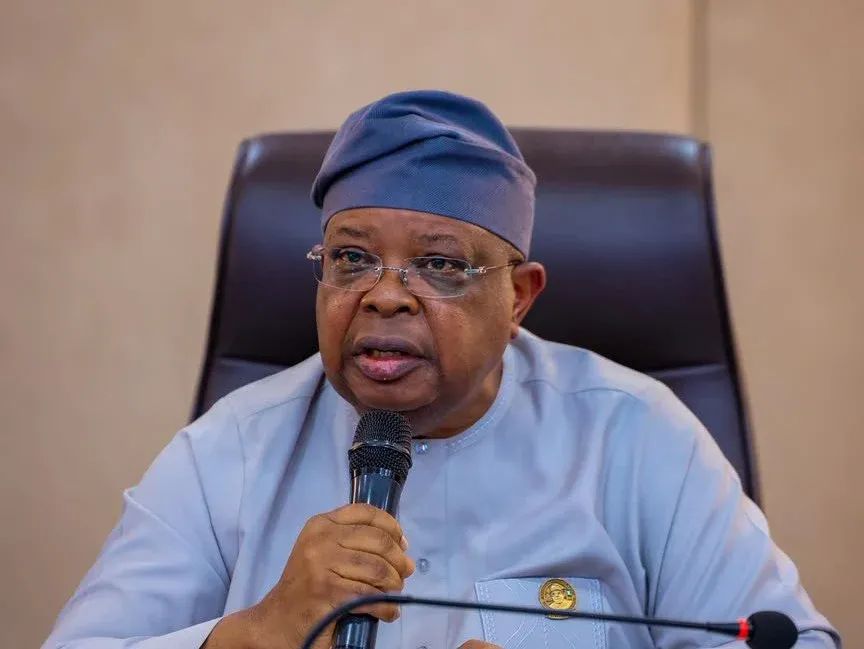
The Federal Government and the Lagos State Government have taken a major step towards addressing the state’s persistent electricity challenges, with both sides setting up special committees to drive the implementation of measures aimed at delivering round-the-clock power supply.
The decision followed a high-level Ministerial Implementation Retreat on the Clean Lagos Electricity Market held at Lagos House, Marina, on Monday.
Minister of Power, Joseph Tegbe, said the government had moved beyond discussions and was now focused on practical measures capable of producing visible improvements in electricity supply across Lagos.
According to him, Lagos was selected as the first major testing ground for the intervention because the state accounts for between 40 and 50 per cent of Nigeria’s electricity demand.
Tegbe said some of the measures identified at the retreat would be implemented immediately, describing them as “quick wins” capable of improving electricity supply in the Lagos axis.
The minister said the Federal Government expected residents and businesses to begin seeing changes as the interventions take effect, stressing that successful measures in Lagos could subsequently be replicated in other major economic corridors.
As part of the new arrangement, a Joint Technical Working Committee has been established with representatives from the Transmission Company of Nigeria, Rural Electrification Agency, Nigerian Electricity Regulatory Commission, Federal Ministry of Power, Lagos Independent System Operator and Lagos State Electricity Regulatory Commission.
The committee will be co-chaired by the Permanent Secretary of the Lagos State Ministry of Energy and the Managing Director of the Lagos Independent System Operator.
A separate Steering Committee has also been constituted to oversee the implementation of decisions reached at the retreat.Governor Babajide Sanwo-Olu will chair the Steering Committee, while Minister Tegbe will serve as co-chairman.
Other members include the Special Adviser to the President on Power, the Permanent Secretary of the Federal Ministry of Power and the Lagos State Commissioner for Energy, Biodun Ogunleye.
The committees are expected to tackle some of the technical, regulatory and operational challenges that have continued to affect electricity supply in the state.
The Federal Government plans to use the Lagos intervention as a model before extending similar measures to other priority economic corridors, including Abuja-Kaduna-Kano and Enugu-Port Harcourt.
The move is coming as Lagos continues to develop its own electricity market following the Lagos State Electricity Law 2024, which provides a framework for state-level regulation of generation, distribution, supply, transmission, system operation and electricity trading.
The state has also been exploring partnerships with private power providers to increase electricity generation and improve supply to critical infrastructure and other parts of Lagos.
In April, the Lagos Government signed power purchase agreements with Mainland Power Limited, Fenchurch Power Limited and Viathan Engineering as part of its efforts to strengthen locally generated electricity.Under the arrangements, payments are expected to be linked to power actually generated, delivered and metered.
Speaking on the latest development, Sanwo-Olu described the retreat as a frank assessment of the state’s electricity situation, saying officials had identified several “low-hanging fruits” that could produce noticeable improvements for consumers.
The governor said the meeting, which lasted almost four hours, brought together senior officials from the Federal Government and Lagos State, alongside representatives of key electricity-sector agencies.
He expressed optimism that the newly established Steering Committee would accelerate the implementation of the decisions reached during the retreat.
With Lagos now serving as the pilot for the Federal Government’s wider electricity intervention, attention will turn to whether the new committees can deliver the additional generation, stronger distribution network and reliable power supply that residents and businesses have long demanded.