₦30 Trillion Revenue Hole: The Fiscal Truths That Cost Wale Edun His Job

The removal of Wale Edun as Minister of Finance and Coordinating Minister of the Economy on April 21, 2026, has been officially framed as part of a routine cabinet reshuffle aimed at improving economic coordination. However, insider accounts suggest the decision was the culmination of months of mounting fiscal pressure and a gradual weakening of his authority within government.
President Bola Tinubu approved the change through a memo issued by the Secretary to the Government of the Federation, George Akume, directing Edun to hand over to Taiwo Oyedele by April 23, 2026.
While the official explanation cites “strengthening cohesion and improving economic delivery,” sources familiar with the internal dynamics say the move reflects deeper tensions linked to the country’s fiscal outlook and revenue performance.
Fiscal disclosures that changed the tone
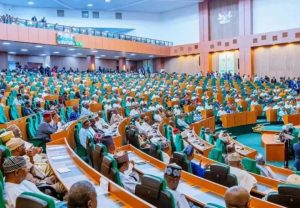
A major turning point, according to government insiders, was Edun’s candid presentation during the December 2025 Medium-Term Expenditure Framework
(MTEF) and Fiscal Strategy Paper defence before lawmakers.
At that session, he disclosed that while the Federal Government projected revenues of ₦40.8 trillion, actual performance was tracking closer to ₦10.7 trillion leaving a gap of roughly ₦30 trillion. He attributed the shortfall to weaker-than-expected oil receipts and underperformance in non-oil revenue streams.
He also confirmed that only about 30 percent of the 2025 capital budget had been funded, warning that the remaining obligations would likely be rolled into 2026. According to him, the fiscal system required “more realistic revenue assumptions” after repeated shortfalls exposed structural weaknesses in budget planning.
These disclosures, though not unusual in technical fiscal reporting, reportedly heightened concerns within parts of the administration about messaging, confidence, and investor perception.
*Gradual loss of control within the ministry*
By late 2025, key financial responsibilities including cash management, debt oversight, revenue coordination, and payment approvals were reportedly reassigned within the ministry’s structure. Analysts interpret this as an administrative signal that core decision-making powers had shifted away from the ministerial office.
Credit: The Business Ng