Pinnick Reveals What Drove Adidas, Puma Away From Nigeria
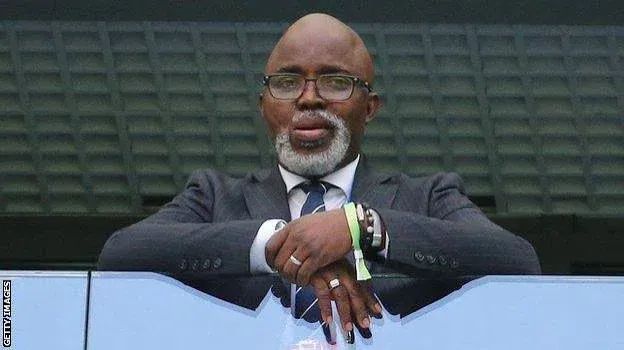
Former Nigeria Football Federation President, Amaju Pinnick, has opened up on the sponsorship challenges that confronted Nigerian football, revealing how sportswear giants Adidas and Puma severed ties with the country.
Pinnick made the disclosure during an interview with former Super Eagles coach, Sunday Oliseh, on the “Pinnick Tapes” series published on Oliseh’s YouTube channel. He said Adidas had already indicated plans to end its relationship with the NFF shortly after he assumed office, prompting him to travel to Zurich in an attempt to convince the company’s leadership to reconsider.
According to Pinnick, his efforts were unsuccessful, although he later discovered that several issues had influenced Adidas’ decision. He said other major brands, including Globacom, General Insurance and Guinness, were also leaving or had indicated their intention to withdraw from Nigerian football, creating a difficult sponsorship environment for the federation.
Pinnick also recounted his experience while attempting to establish a relationship with Puma, saying the company’s top executive initially refused to engage with him after learning that he was Nigerian. He said the executive later narrated an alleged incident involving three Nigerians who had visited his home on Christmas Day and proposed abandoning an existing Adidas agreement in exchange for certain demands.
The former NFF boss said the incident reportedly influenced the executive’s decision to blacklist Nigeria, although he declined to identify the three Nigerians or reveal what they allegedly demanded. He said the setback motivated him to pursue another major international kit sponsor, eventually leading to a deal with Nike after several trips and negotiations.
Pinnick rejected suggestions that his administration was responsible for sponsors abandoning Nigerian football, arguing that he actually increased the federation’s commercial revenue. He said his administration moved the NFF from almost complete dependence on external funding to about 80 per cent self-funding, adding that the figures could be verified through the federation’s audited accounts prepared by PricewaterhouseCoopers.
He maintained that the sponsorship crisis predated his tenure and that his administration responded by aggressively pursuing new commercial partnerships. The interview also touched on Nigeria’s failure to qualify for the 2022 and 2026 World Cups, unpaid coaches and players, political interference and other structural challenges affecting Nigerian football.